
Trip Report: Sierra Nevada & Guajira — Nine Days Across Two Worlds
From El Dorado's wet montane forest to the Guajira desert in nine days. All four Santa Marta endemics, the full Vermilion Cardinal cast, and 380+ species recorded — with a four-photographer group that pushed the itinerary the right way.
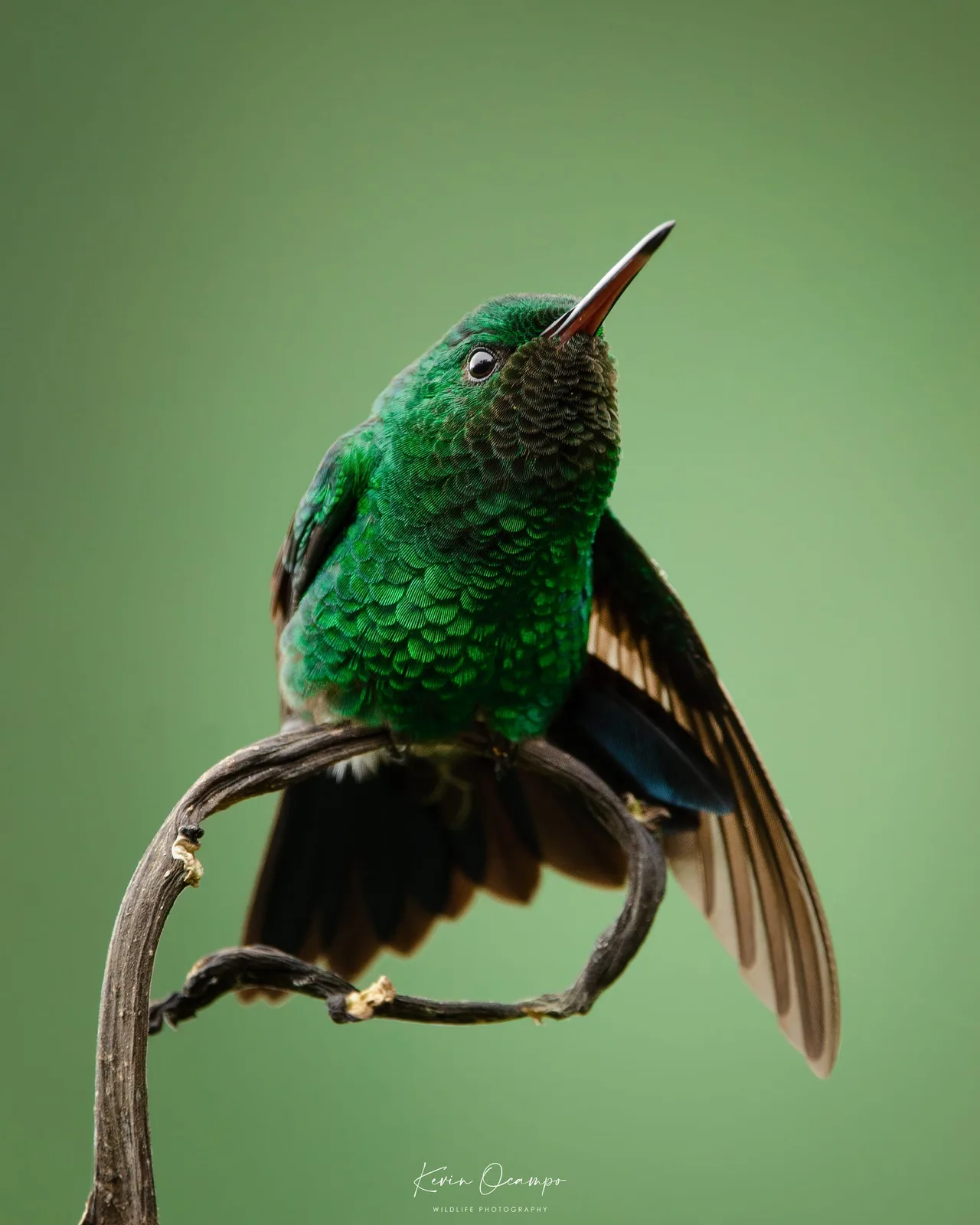
Nine days from the wettest part of the Sierra Nevada de Santa Marta down to the bone-dry Guajira — run from March 1 to 9, 2025 with a group of four photographers who knew exactly what they wanted out of the trip. We tightened the standard itinerary in two places to give them more light and more dwell time, and it paid off.
The route
- Minca & El Dorado Reserve (3 nights) — wet montane forest, endemic-dense.
- Tayrona foothills (1 night) — dry forest transition, San Lorenzo lower slopes.
- Camarones & Los Flamencos (2 nights) — Caribbean arid scrub, lagoons, salt flats.
- Riohacha & Cabo de la Vela edge (2 nights) — desert specialties.
Headline species
The Santa Marta endemic complex is the spine of the trip — but the Guajira leg often delivers the more dramatic photographs.
- Campylopterus phainopeplus — Santa Marta Sabrewing at El Dorado, two males.
- Coeligena phalerata — White-tailed Starfrontlet on the upper trail.
- Grallaria bangsi — Santa Marta Antpitta at the well-known stage.
- Atlapetes melanocephalus — Santa Marta Brushfinch, expected and obliging.
- Cardinalis phoeniceus — Vermilion Cardinal in the Camarones scrub, multiple territorial males.
- Phoenicopterus ruber — American Flamingo in numbers at Los Flamencos.
- Aratinga pertinax — Brown-throated Parakeet flocks at dusk over Riohacha.
380+ species recorded across the nine days, including six of the seven Santa Marta endemics targeted on the standard itinerary.
What we changed
Two adjustments based on the group profile:
- An extra dawn at El Dorado. We swapped the first afternoon transit for an extra morning at 2,000 m, which gave the group a second pass at the Santa Marta Sabrewing and the rare cooperative Brown-rumped Tapaculo.
- A late-light Vermilion Cardinal session. Instead of leaving Camarones at noon, we held until 16:30 to work the warm side-light on the cardinals. Best frames of the trip.
Logistics that matter
The Guajira leg is not difficult, but it is hot and dusty. Two non-obvious details kept the group comfortable:
- Hydration on a schedule, not on thirst. At 35°C with low humidity you don't feel dehydrated until you already are. Two litres minimum per person per morning.
- Sensor cleaning between regions. Going from El Dorado humidity to Guajira fine dust is hard on bodies and lenses. We built a 30-minute cleaning stop into the transit day.
What didn't go to plan
We missed the Santa Marta Screech-Owl on both nights — heavy rain on the first attempt, dead-quiet forest on the second. Logged for the next group.
Looking ahead
This circuit is the most species-dense trip in our catalogue and remains the best single way to anchor a Colombia birding plan around the Santa Marta endemics. If you want a similar nine days run with photography pacing, the tour page has the full itinerary.
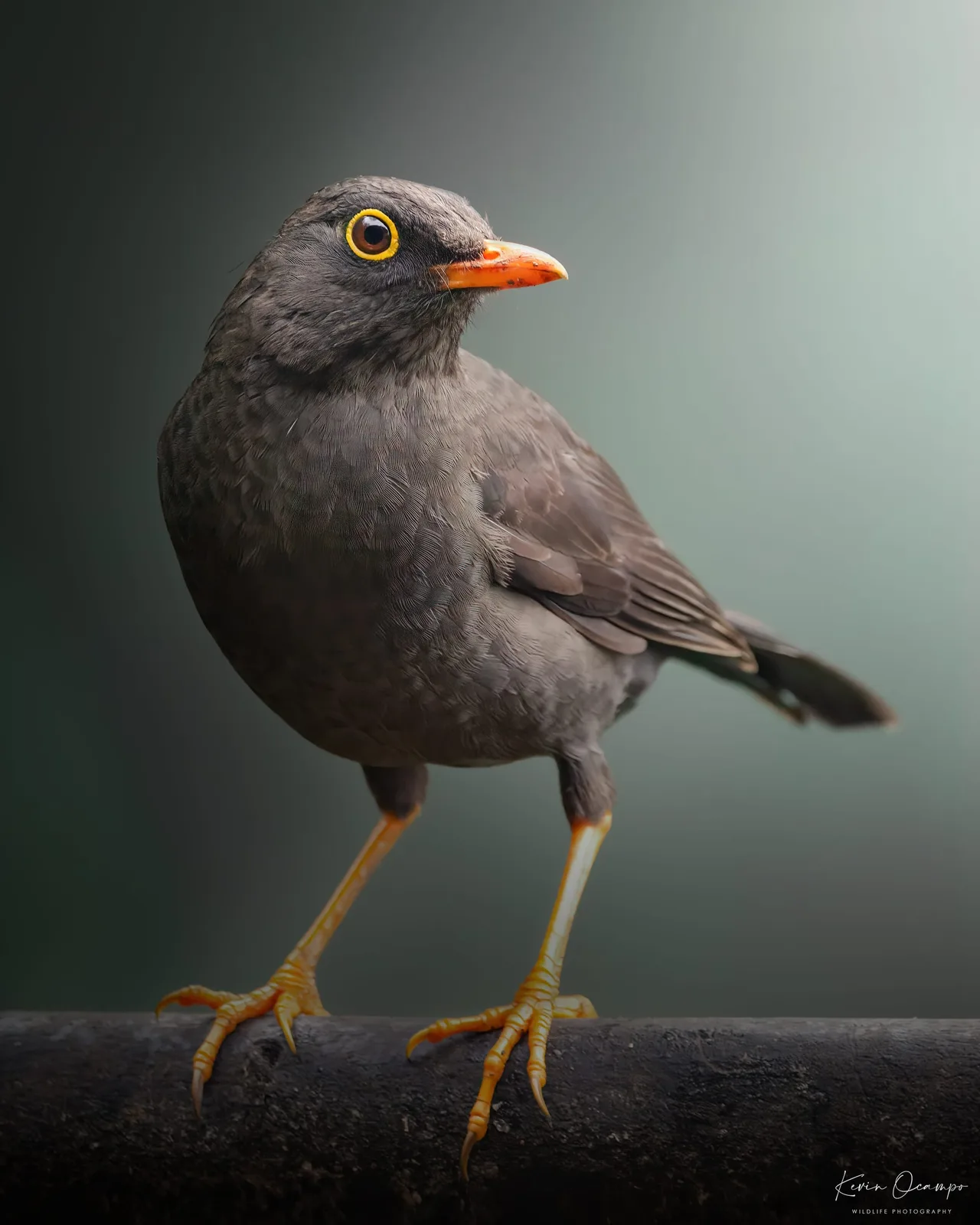
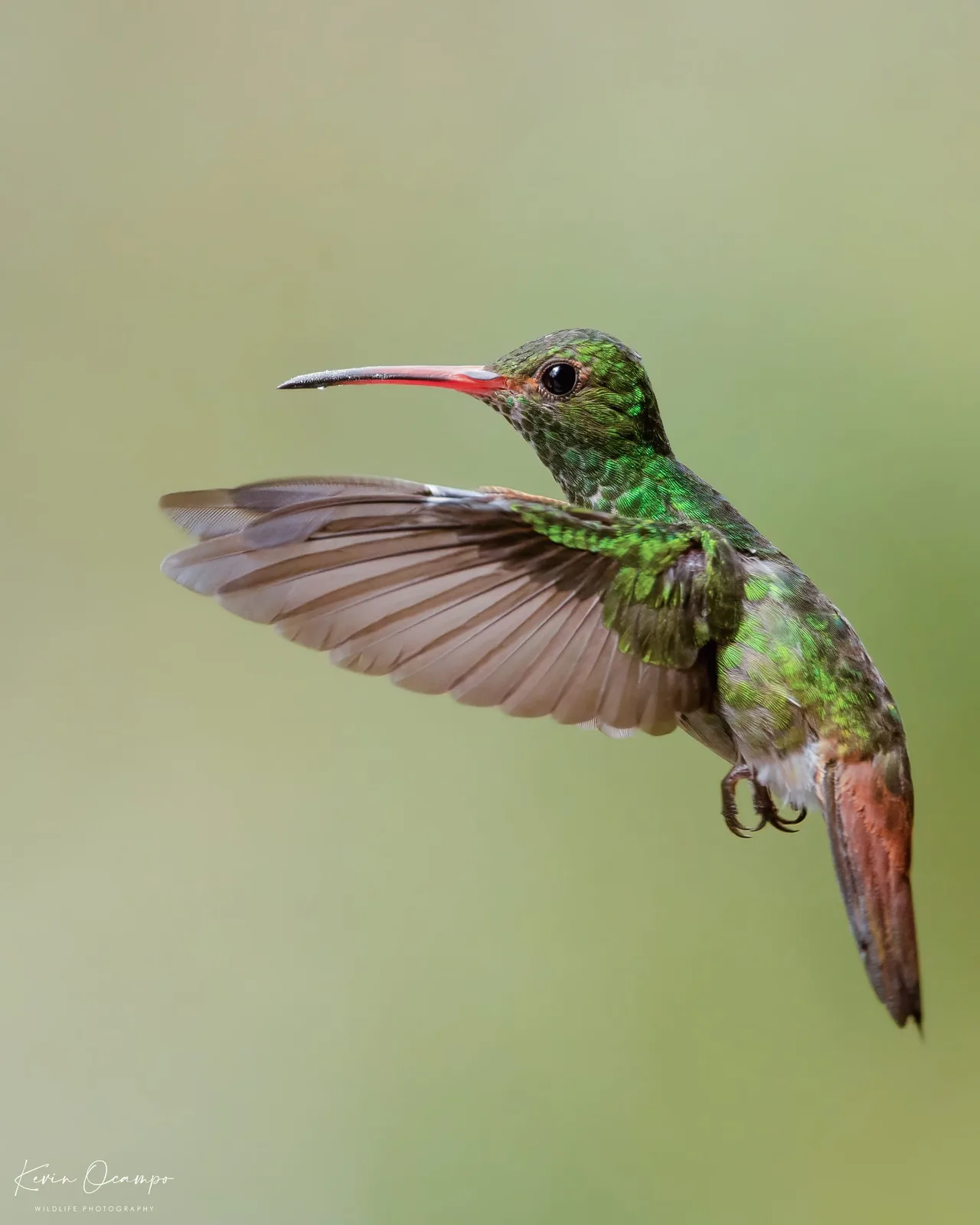
"From El Dorado's wet montane forest to the Guajira desert in nine days."
Filed under
Keep reading
More from the field journal.
Trip Report · March 21, 2026
Trip Report: Colombia Birding Tour — Coffee Region, Cauca Valley & Bogotá (March 2026)
An 18-day custom birding circuit operated for an Australian tour operator across Caldas, Tolima, Valle del Cauca, Cundinamarca and Bogotá. 359 species across 38 eBird checklists, from páramo to wetland.
Trip Report · February 10, 2025
Trip Report: Cauca Valley — A Compact Run Through the Western Andes
Four days from Cali up to Anchicayá and the Cauca Valley's mid-elevation forests. Multicolored Tanager, Chocó endemics, and a quiet Black-and-gold Tanager moment that none of us are forgetting soon.