
Field Notes: When to Come Birding in Colombia
Colombia is a year-round birding destination, but the right season depends on the region you're targeting. A practical guide to dry vs wet windows across Sierra Nevada, the Coffee Triangle, the Cauca Valley and the Llanos.
The single most common question we receive: when should I come? The honest answer is it depends on the region. Colombia sits across the equator and contains five distinct climatic zones — there is no single "best season" for the whole country. This is the framework we use when planning trips with new clients.
The two-season pattern
Most of Andean Colombia operates on a bimodal pattern: two drier windows and two wetter windows per year. Roughly:
- Drier: December – early March, and June – August.
- Wetter: April – May, and September – November.
"Drier" does not mean dry. Cloud forest is cloud forest year-round. It means the road is more reliable, the trails are firmer, and you lose fewer mornings to heavy rain.
By region
Sierra Nevada de Santa Marta & Guajira
- Best: January – March.
- Why: Dry-season trails in El Dorado, predictable transfers to the Guajira, and peak flamingo numbers at Los Flamencos.
- Avoid: October – November can flood the access road to El Dorado.
Coffee Triangle (Manizales, Río Blanco, Los Nevados)
- Best: December – early March.
- Why: The Los Nevados páramo is accessible, the antpitta feeders are running, and the high-elevation roads are open.
- Note: June – August is a workable second window but mornings are colder.
Cauca Valley & Anchicayá (Chocó endemics)
- Best: July – September.
- Why: Slightly drier on the Pacific slope, with better odds for the Anchicayá lower road.
- Reality: The Chocó is among the wettest places on earth. Plan for rain regardless.
Eastern Plains / Llanos del Orinoco
- Best: December – March.
- Why: This is the dry-season Llanos. Mammals concentrate around remaining water, raptors are visible at distance, and roads inside the reserves are passable.
- Avoid: May – September (wet season floods most of the savanna).
Bogotá highlands & Eastern Andes
- Best: Year-round, with a slight edge to December – February.
- Why: Páramo birding is least affected by season; rain rarely cancels a morning.
On migration
September – October and March – April bring northern migrants to Colombia. If warblers and shorebirds are on your priority list, push your trip into these windows even at the cost of some weather risk.
On group size and pricing
The drier windows are also the busier windows. If your dates are flexible, June – August offers excellent birding in most regions at noticeably lower pressure on lodges and guides. We are happy to plan around this.
How we use this internally
Every itinerary we quote is checked against the regional season for that trip's primary targets. If the season doesn't fit, we say so up front and either propose alternative dates or rebalance the route. A Colombia trip is too long a flight to optimise around the wrong window.
If you have target species or specific dates in mind, the contact page is the fastest way to get a real answer for your trip.
"Colombia is a year-round birding destination, but the right season depends on the region you're targeting."
Filed under
Keep reading
More from the field journal.
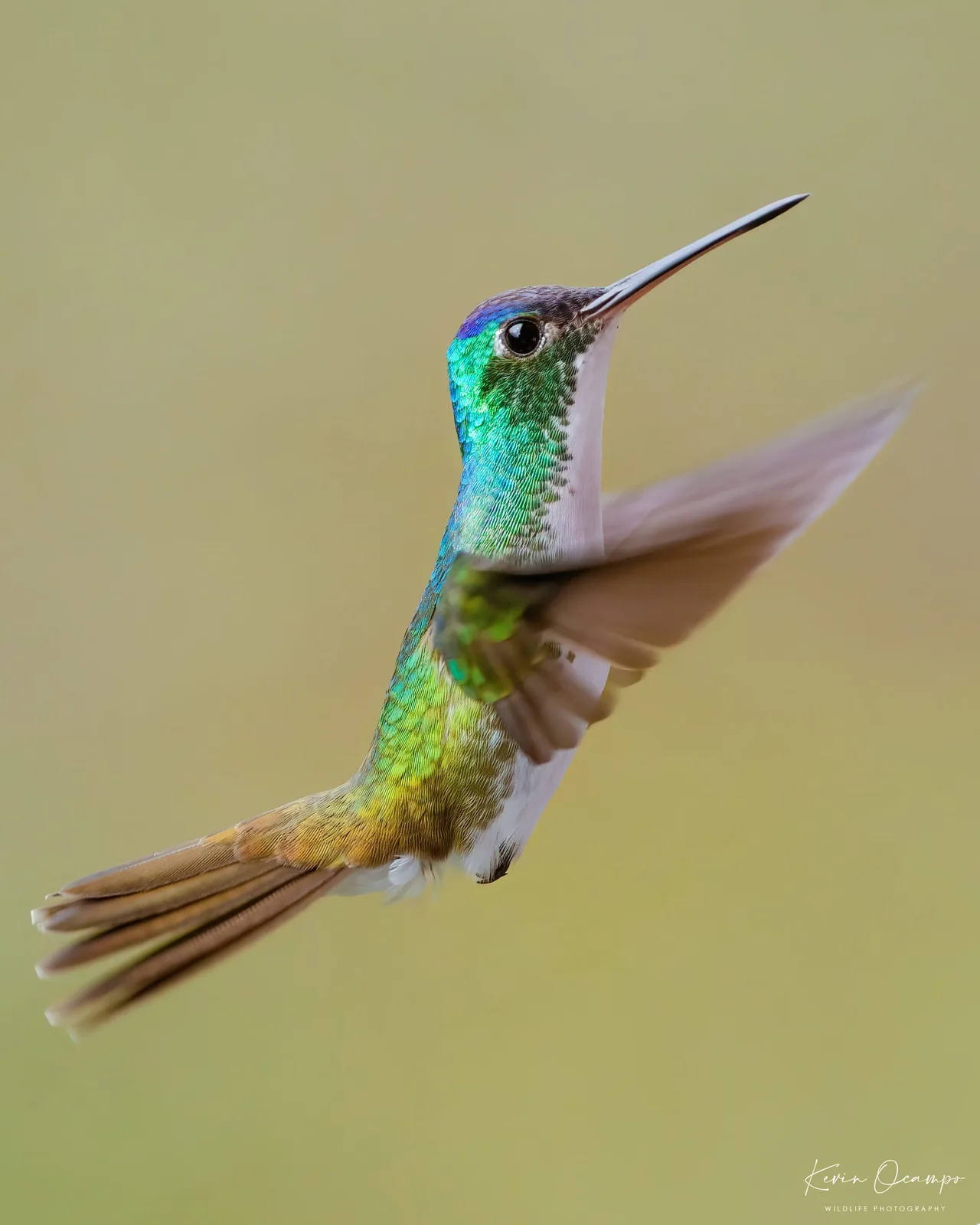
Trip Report · March 21, 2026
Trip Report: Colombia Birding Tour — Coffee Region, Cauca Valley & Bogotá (March 2026)
An 18-day custom birding circuit operated for an Australian tour operator across Caldas, Tolima, Valle del Cauca, Cundinamarca and Bogotá. 359 species across 38 eBird checklists, from páramo to wetland.
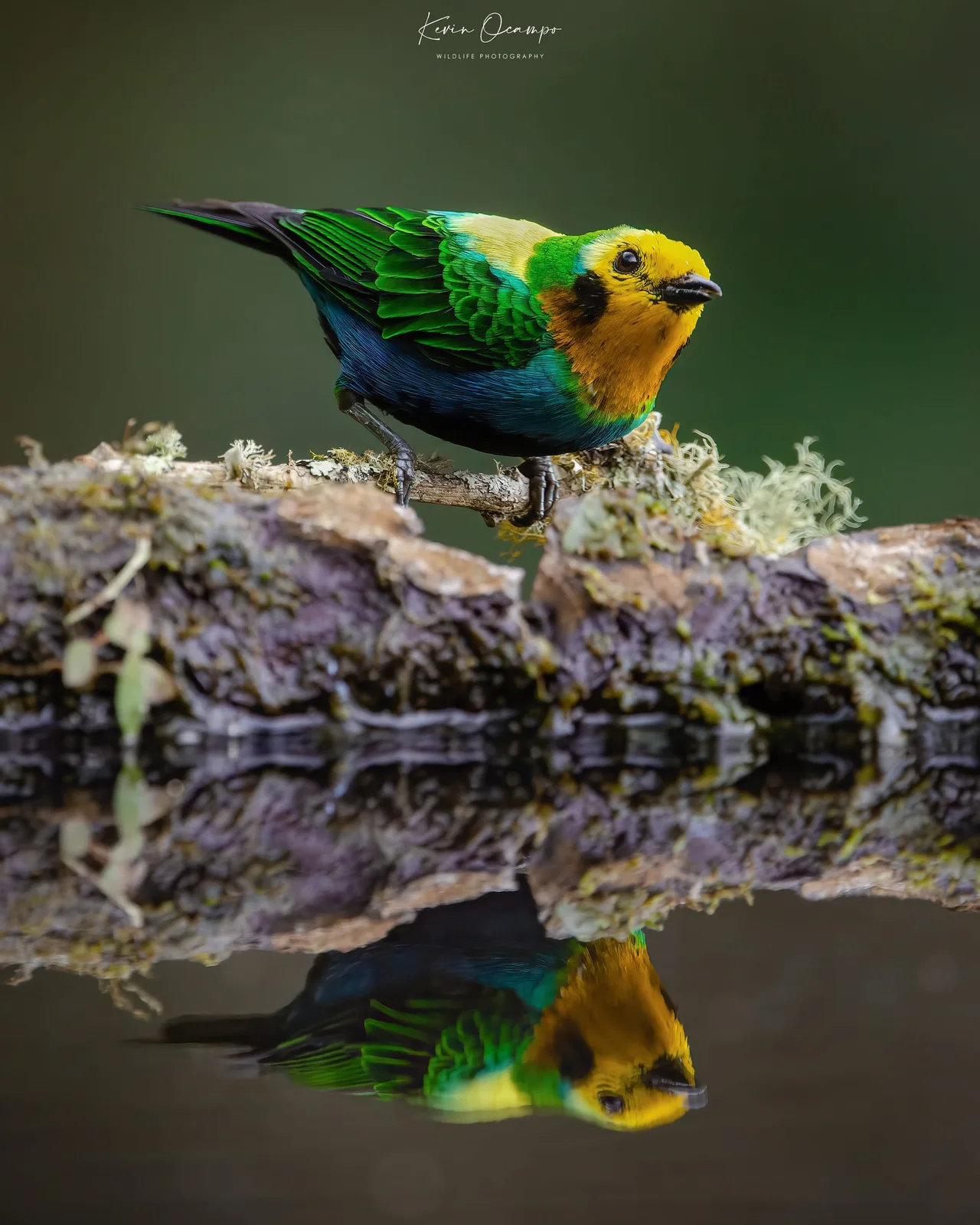
Trip Report · March 18, 2025
Trip Report: Sierra Nevada & Guajira — Nine Days Across Two Worlds
From El Dorado's wet montane forest to the Guajira desert in nine days. All four Santa Marta endemics, the full Vermilion Cardinal cast, and 380+ species recorded — with a four-photographer group that pushed the itinerary the right way.